Hold & Heal
FluxAir
FluxOps
BookNest
A UX Case Study on Building a Mindful Library Experience
Tools Used
Role
Figma
End-to-End Designer

Reflection
BookNest taught me how powerful it is to design for people rather than for aesthetics. Every feature, every flow, even every icon each one shapes how a user feels and behaves in ways that aren't always visible but are always felt.
What stayed with me most is the quiet satisfaction of shining a spotlight on problems people carry silently. Insomnia isn't dramatic. It doesn't make headlines. But it's real, and it deserved a solution built with genuine care.
This project reminded me why I design not to build impressive portfolios, but to make someone's 2am feel a little less alone.
The Problem & Why It Matters
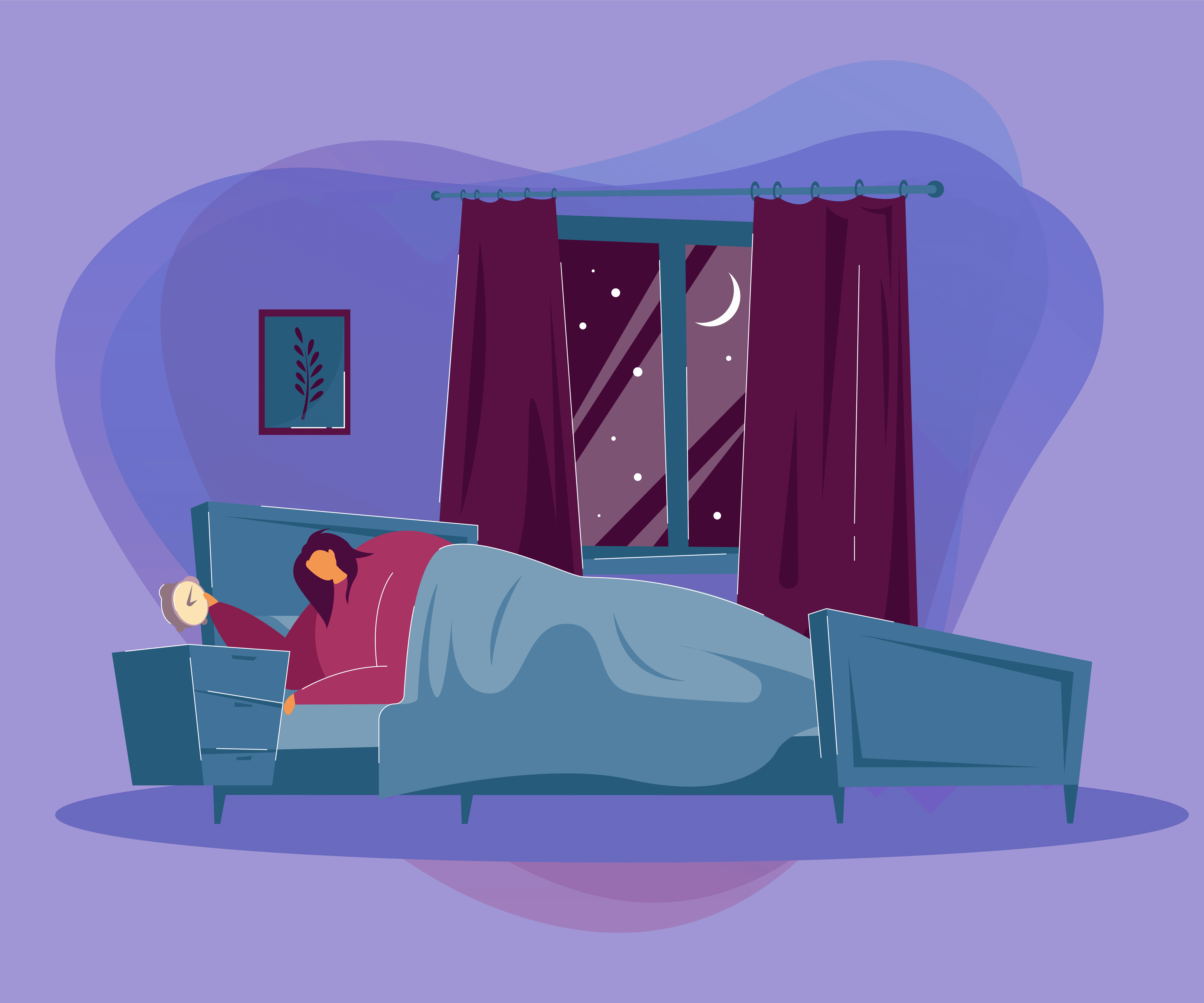
Insomnia isn't just about not sleeping. It's the restlessness, the racing thoughts, the desperate search for something or anything that will quiet the mind enough to rest.
That specific gap became BookNest.
Most people reach for their phones. Plenty of apps exist reading platforms, meditation tools, ambient sound apps. But they live in separate spaces, and most of the best ones sit behind paywalls.
What's missing isn't any single feature. It's a Space that brings calm reading, audio, and comfort together free, accessible, and designed specifically for the person lying awake at 2am
The Solution
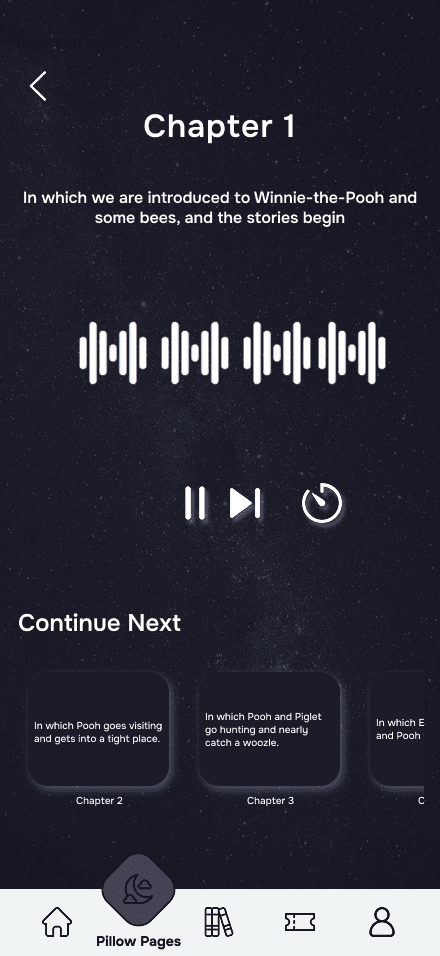
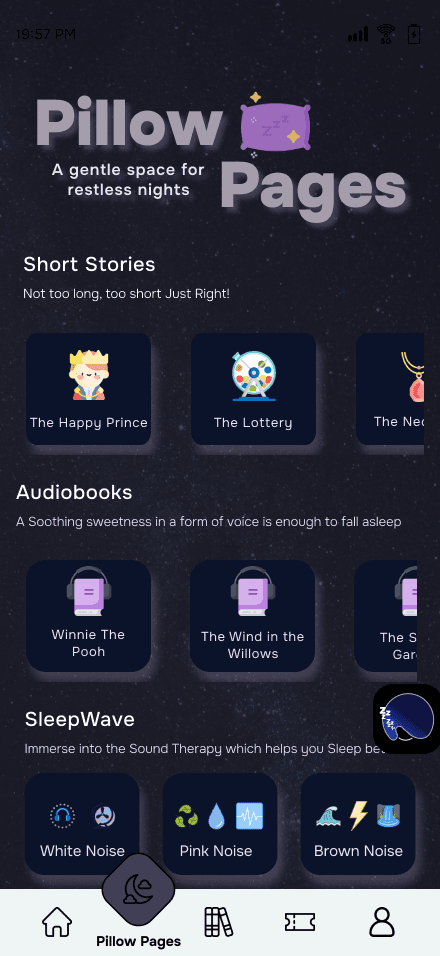
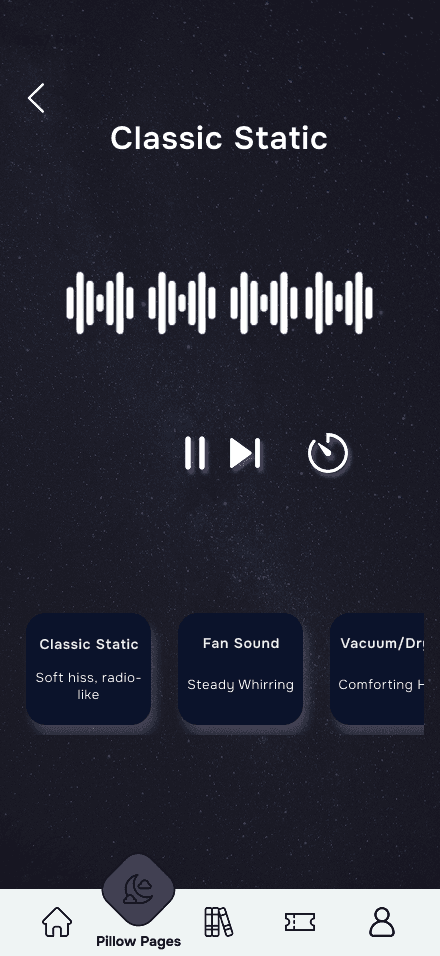
BookNest is a free, calm digital library experience designed specifically for people who need rest more than stimulation. At its heart is PillowPages - a therapeutic content space built around three simple things insomniacs actually reach for at night: short stories for gentle focus, audiobooks for something to follow without effort, and ambient sound waves for when words feel like too much.
Everything inside PillowPages was designed around one question "what does someone need at 2am when their mind won't stop?"
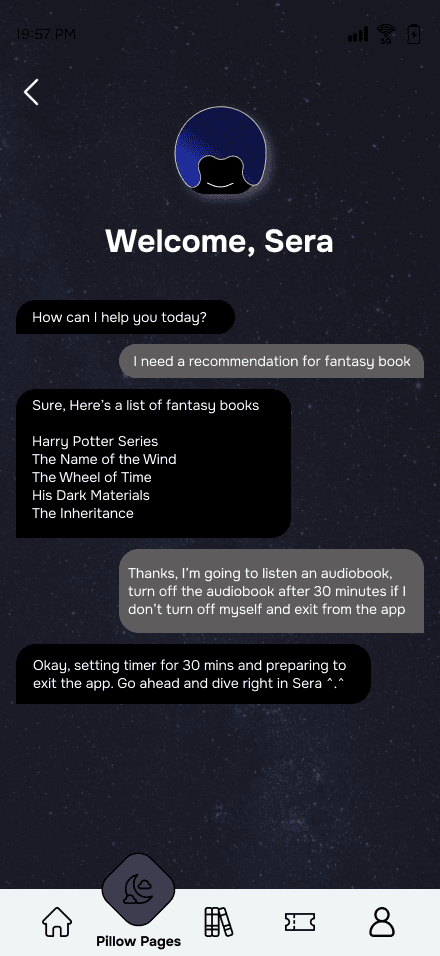
Pippo is BookNest's in-app companion, part gentle alarm, part personal assistant, entirely non-judgmental. Not a chatbot. Not a feature list. Just a small, warm presence that makes the app feel less like a tool and more like company during a restless night.
Voice over Numbers
Insomnia is deeply personal. Statistics tell you how many people struggle but not what it actually feels like. These voices shaped every design decision in BookNest. The sounds, the free access, the simplicity none of that came from data. It came from people.
Why it's build this way
Contextual Color - Blue Hues Inside PillowPages Only
Dark blue was applied exclusively to PillowPages, the feature users open when they're tired, usually at night. Not the whole app. Just the space designed for sleep gets the sleep treatment.
Pippo - Warmth Over Function
Named after a character from a Doraemon film because a sleep app should feel warm, not clinical. Pippo helps find content and doubles as a gentle exit alarm, set it, drift off, and Pippo handles the rest. No jarring notifications. No waking up just when sleep finally arrived.
Designed With Purpose, Not Pressure
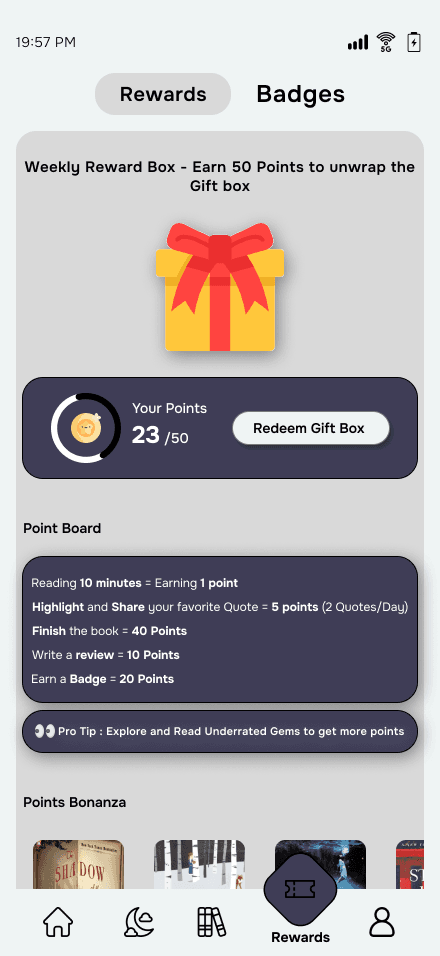
Not everything can be free but monetization doesn't have to feel manipulative. Users earn points simply by reading and redeem them for premium content. No referrals, no streaks, no pressure. Just a fair exchange that respects the user's time and wellbeing.
Less, By Design
Short stories, audiobooks, and sound waves three options, deliberately. More would be stimulating. Each one serves a different level of tiredness something to follow, something to listen to, something to just exist with.
Design
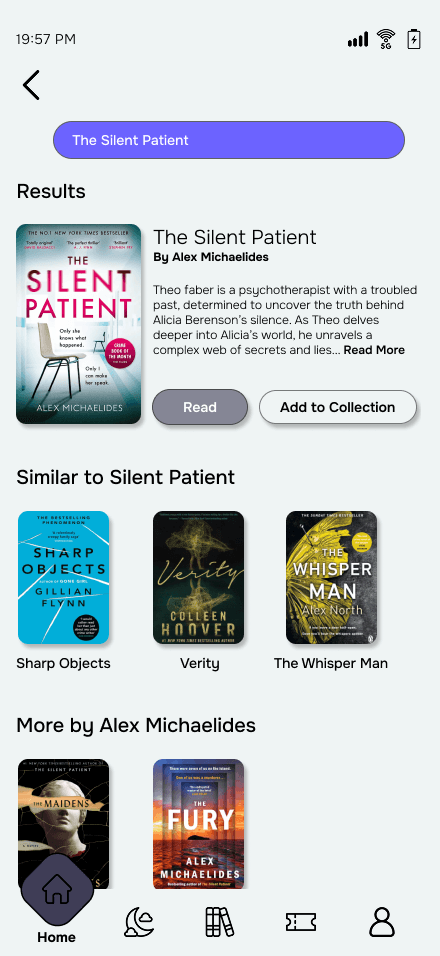
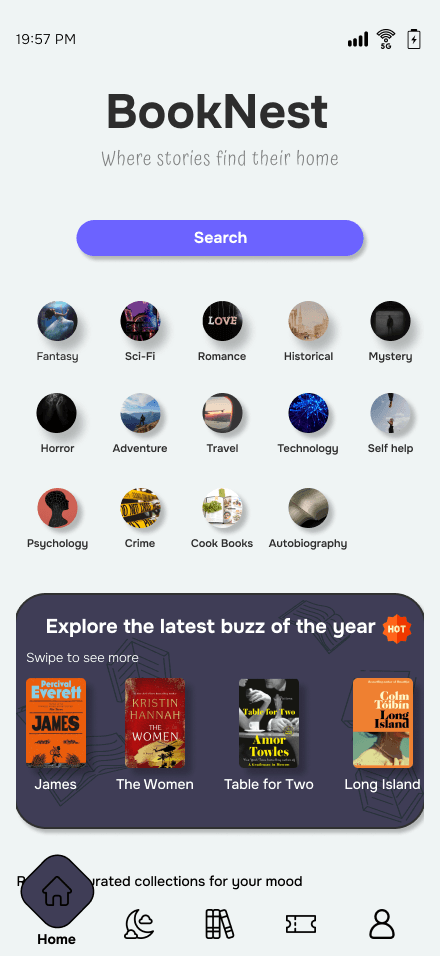
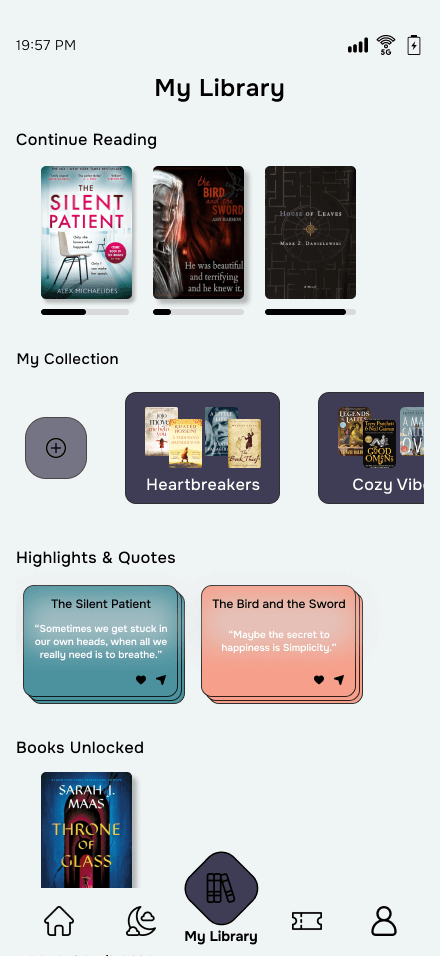
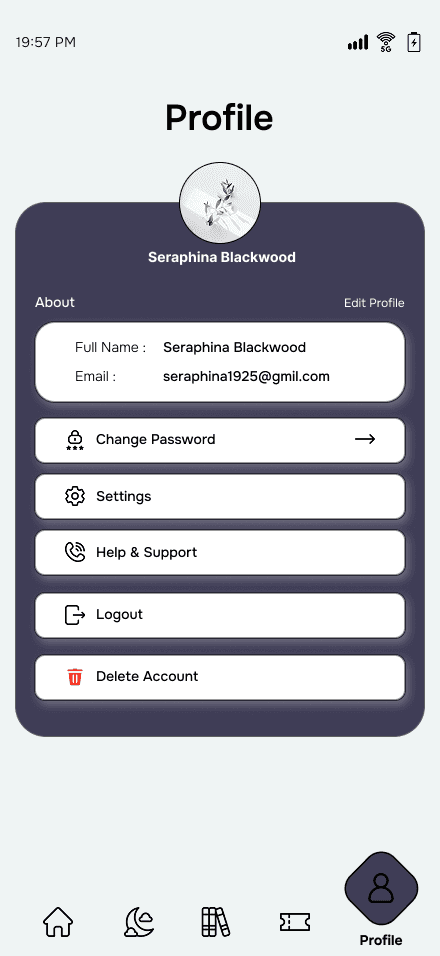
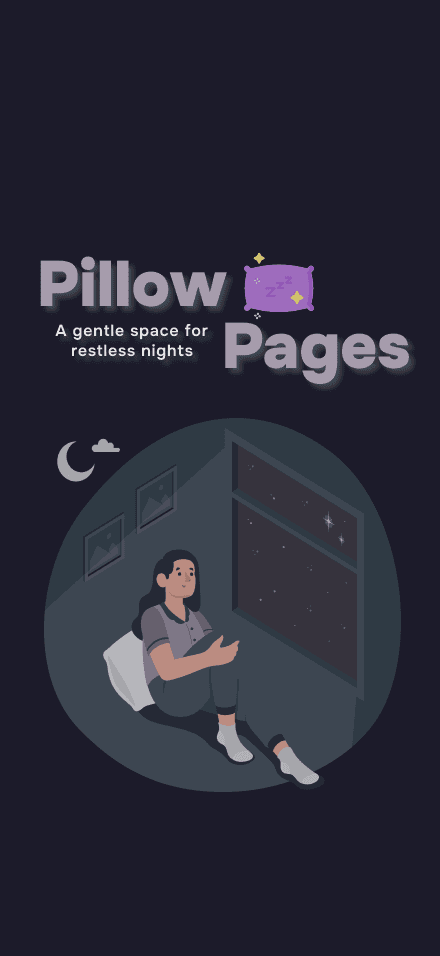
Here’s a quick look at the final experience I crafted
Designed from Inside
I used to spend my worst nights opening app after app, hoping something would finally calm my mind enough to sleep. Most were too stimulating. Most were paid. What I actually wanted was simple, something soft my eyes and ears to focus on until sleep arrived on its own.
I wasn't alone in that search. 1 in 3 adults struggle with sleep. Most turn to their phones for comfort and find everything designed to keep them awake instead.
That gap became BookNest.
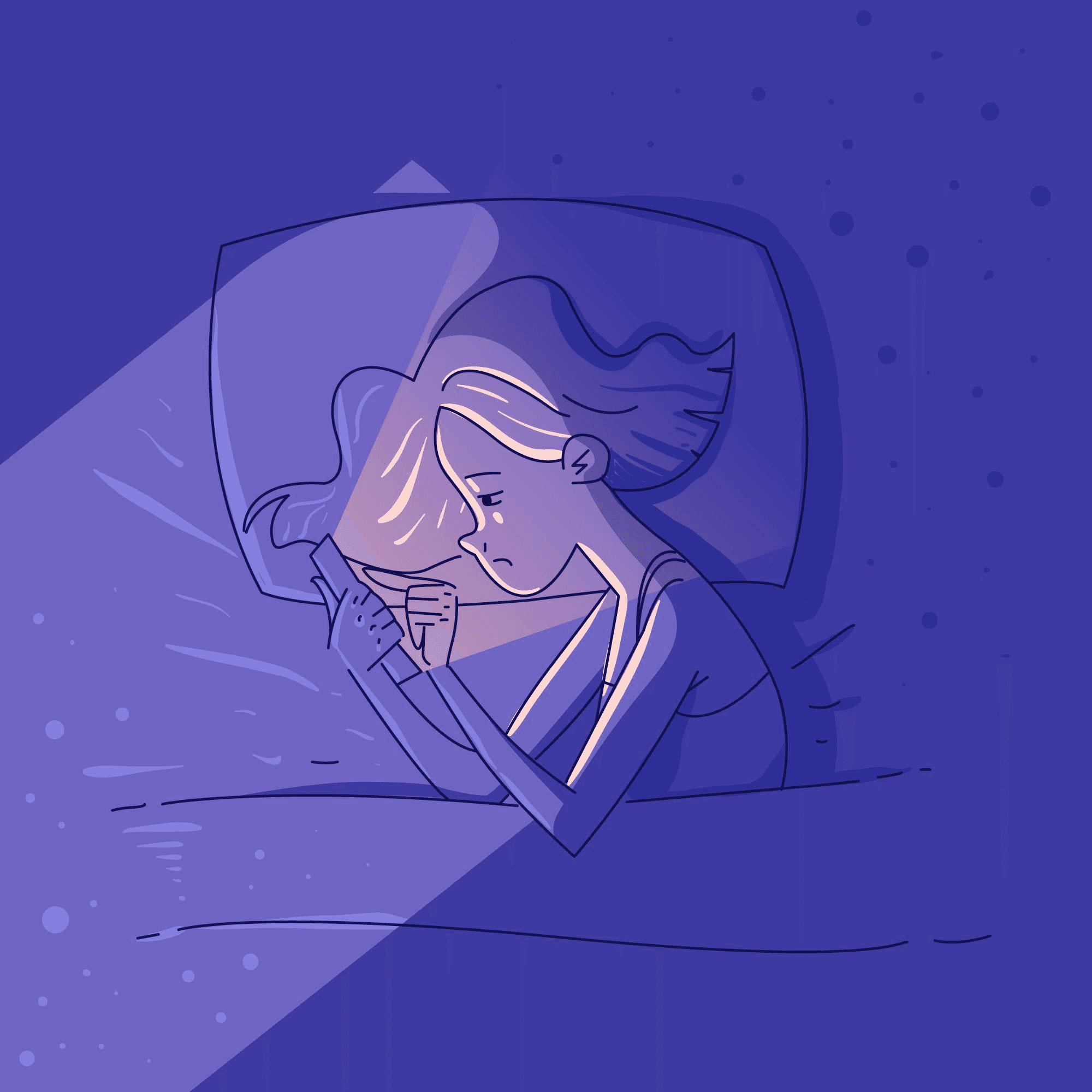
Problem : People who want to read but can't ; The mental noise gets in the way before the first page.
My role : End-to-end concept design, research, information architecture, visual system, prototyping.
Key decision : Replaced a traditional library UI with a mood-first entry point. You don't pick a book, you pick how you feel.
Honest outcome : No live product, but the case study taught me how to design for emotional state, not just task completion.
A reading companion app for people whose anxiety or insomnia makes it impossible to settle into a book.
Summary Card